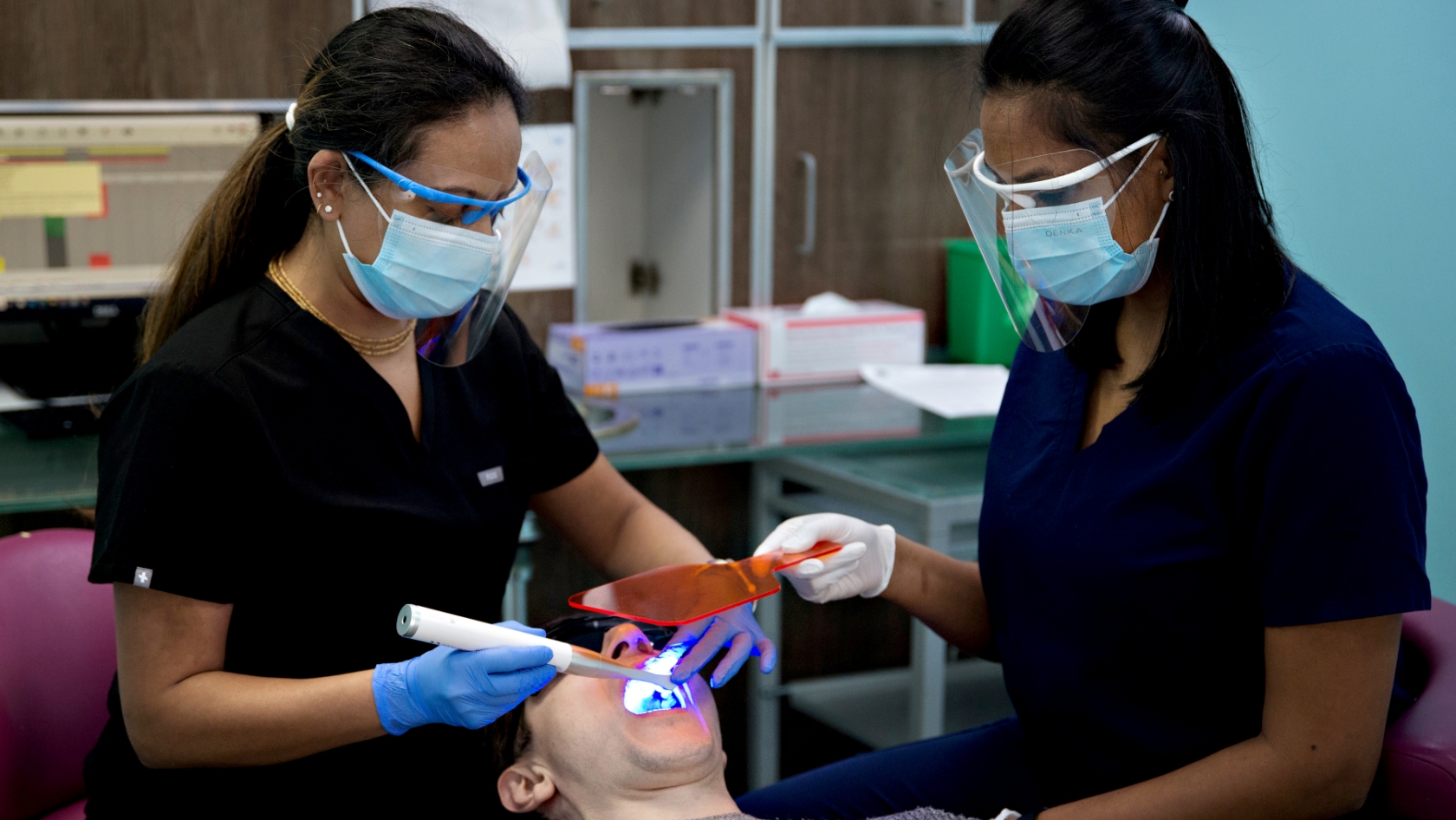
If you are dealing with severe dental pain, swelling, or damage to a tooth, booking an Emergency Dentist In Milton Keynes appointment as quickly as possible can help prevent the problem from becoming worse. Dental emergencies are often painful, stressful, and unpredictable, but understanding when to seek urgent care can make a significant difference to your oral health.
Many people are unsure whether their dental issue requires emergency treatment or if it can wait for a routine appointment. While some minor discomfort may not need immediate attention, certain symptoms should never be ignored.
In this guide, we explain when you should seek urgent dental care, common signs of a dental emergency, and how prompt treatment may help protect your teeth and gums.
What Is An Emergency Dental Appointment?
An emergency dental appointment is designed to provide urgent care for dental problems that require immediate attention. These appointments focus on relieving pain, treating infection, repairing damage, and preventing further complications.
Emergency appointments are commonly needed for issues such as:
-
Severe toothache
-
Swelling or infection
-
Broken or cracked teeth
-
Lost fillings or crowns
-
Bleeding after trauma
-
Sudden sensitivity or pain
-
Gum infections
-
Wisdom tooth problems
Seeking treatment early may help prevent more serious dental complications and reduce the need for more extensive treatment later.
Severe Tooth Pain
Persistent or intense tooth pain is one of the most common reasons patients seek emergency dental care.
Tooth pain may be caused by:
-
Tooth decay
-
Infection
-
Cracked teeth
-
Exposed nerves
-
Gum disease
Pain can range from mild discomfort to severe throbbing that affects eating, sleeping, and daily activities. If pain continues for more than a short period or becomes worse over time, it is important to contact a dentist promptly.
Swelling In The Gums Or Face
Swelling around the gums, jaw, or face can indicate infection inside the tooth or surrounding tissues.
Dental infections may spread if left untreated, which is why facial swelling should always be taken seriously.
Symptoms may include:
-
Tender gums
-
Pain when biting
-
Swelling in the cheek or jaw
-
A bad taste in the mouth
-
Difficulty opening the mouth
An emergency dental appointment can help identify the source of the infection and provide the necessary treatment.
Broken Or Cracked Teeth
Teeth may crack or break due to accidents, sports injuries, or biting hard foods.
Even small cracks can expose the sensitive inner part of the tooth and increase the risk of infection or further damage.
Depending on the severity, treatment may involve:
-
Dental fillings
-
Bonding
-
Crowns
-
Root canal treatment
Seeking urgent dental care quickly may help save the tooth and prevent worsening pain.
Lost Fillings And Crowns
A lost filling or crown may leave the tooth vulnerable to sensitivity, discomfort, and damage.
Without protection, the exposed tooth structure can become painful when eating or drinking. Replacing the restoration quickly may help prevent additional complications.
Bleeding After Injury
Bleeding following trauma to the mouth should not be ignored, especially if it does not stop after gentle pressure is applied.
Injuries may affect:
-
Teeth
-
Gums
-
Lips
-
Soft tissues inside the mouth
An emergency dentist can assess the extent of the injury and recommend the most appropriate treatment.
Wisdom Tooth Problems
Wisdom teeth can sometimes become impacted or infected, causing significant discomfort.
Common symptoms include:
-
Jaw pain
-
Swollen gums
-
Difficulty chewing
-
Redness or inflammation
-
Pain at the back of the mouth
Emergency dental treatment may help relieve pain and prevent infection from worsening.
Gum Infections And Abscesses
Dental abscesses are serious infections that require urgent professional attention.
Signs of an abscess may include:
-
Severe throbbing pain
-
Swelling
-
Pus around the gums
-
Fever
-
Sensitivity when chewing
Ignoring a dental abscess can lead to serious complications, making prompt treatment essential.
When Symptoms Should Never Be Ignored
Some symptoms should always be assessed by a dentist as soon as possible.
You should seek urgent dental care if you experience:
-
Severe or persistent pain
-
Facial swelling
-
Signs of infection
-
Difficulty swallowing
-
Fever alongside tooth pain
-
Bleeding that will not stop
-
Sudden trauma to the mouth
Quick treatment may help prevent the problem from becoming more serious.
What Happens During An Emergency Dental Appointment?
During your appointment, the dentist will first examine the affected area and identify the cause of the problem.
Depending on the issue, treatment may involve:
-
Pain relief
-
Temporary or permanent fillings
-
Antibiotics for infection
-
Root canal treatment
-
Repairing damaged teeth
-
Tooth extraction if necessary
The main goal is usually to relieve discomfort quickly while protecting your long-term oral health.
How To Manage Symptoms Before Your Appointment
While waiting to see a dentist, there are several ways to help manage discomfort safely.
Rinse With Warm Salt Water
Salt water may help keep the mouth clean and soothe irritated tissues.
Avoid Hard Or Sugary Foods
Soft foods can help reduce irritation and avoid further damage.
Maintain Good Oral Hygiene
Gentle brushing and flossing help remove bacteria and food debris.
Use Over-The-Counter Pain Relief
Pain relief medication may help temporarily reduce discomfort until treatment is available.
Preventing Future Dental Emergencies
Although not every dental emergency can be avoided, good oral health habits can help reduce the risk.
Attend Routine Dental Check-Ups
Regular dental examinations help identify problems before they become painful emergencies.
Brush And Floss Daily
Good oral hygiene helps prevent decay and gum disease.
Wear A Mouthguard For Sports
Mouthguards help protect teeth from impact injuries during physical activity.
Avoid Chewing Hard Objects
Ice, pens, and hard sweets can increase the risk of cracked teeth.
Emergency Dental Care In Milton Keynes
Dental emergencies can happen unexpectedly and often require urgent professional care to relieve pain and prevent complications. Whether you are dealing with swelling, toothache, a broken tooth, or infection, seeking treatment quickly can help protect your oral health and avoid further problems.
If you require an Emergency Dentist In Milton Keynes, professional dental care can help diagnose the issue, relieve discomfort, and provide the treatment needed to restore your smile as quickly as possible.