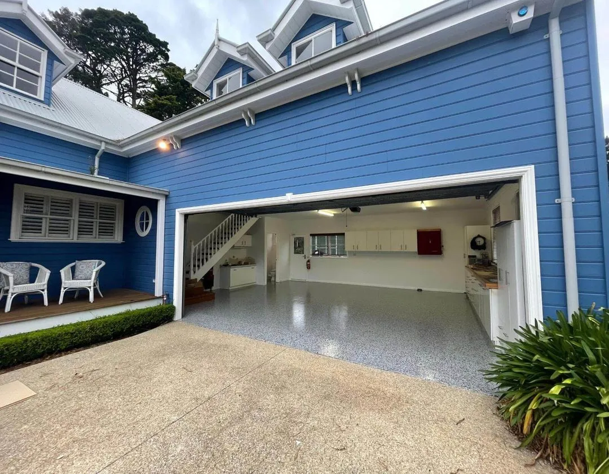
Transforming concrete surfaces requires selecting heavy-duty materials that resist everyday oil leaks and tire wear. Homeowners choosing epoxy flooring setups usually want seamless protection that prevents raw stone foundations from cracking over time. Unprotected concrete absorbs fluids quickly, leaving permanent dark stains across workspace areas. Applying thick liquid resins forms a continuous hard shell over bare floor slabs. Proper mechanical diamond grinding opens concrete pores so base coatings anchor deeply into the stone. Taking time to complete surface prep properly prevents early peeling while keeping utility spaces looking neat.
Preparing Concrete Slabs Properly
Thorough mechanical prep work determines how well liquid resin bonds to bare concrete foundations below. Putting in strong garage floors means using big grinding tools to strip off old paint, oil, and dirt spots. Opening up the concrete pores lets wet primer sink way down into the slab so it sticks best. Connecting industrial vacuum units directly to grinding equipment captures dangerous silica dust before it spreads through homes. Repairing surface cracks using fast-curing polymer mortars creates a smooth, level base for liquid applications.
Mixing Resin Compounds Correctly
Preparing liquid resin mixtures requires exact ratios between hardener compounds and base epoxy liquids. Skilled installers applying epoxy flooring systems mix small batches using low-speed drill mixers to prevent trapping air. Pouring mixed liquid in long ribbons across bare concrete ensures even coverage when using heavy rollers. Spreading the resin evenly stops thick puddle spots from taking too long to dry completely overnight. Working efficiently during warm afternoon hours prevents liquid resin batches from hardening prematurely inside mixing buckets.
Adding Non-Slip Aggregates
Smooth liquid resin coatings become extremely slippery when wet from rain showers or liquid spills inside garages. Upgrading home garage floors involves broadcasting vinyl flakes or quartz sand directly into wet base coats. Throwing textured aggregates high into the air lets particles drop evenly across wet resin layers below. Scrape away excess loose aggregate after the underlying base coat cures completely before adding clear sealers. Textured surfaces provide firm foot and tire traction during rainy weather or freezing winter conditions.
Sealing With Clear Topcoats
Applying clear protective topcoats over decorative aggregate layers shields floors from ultraviolet sun rays and heavy impacts. High-grade epoxy flooring applications utilize polyaspartic clear coats for maximum long-term durability and chemical resistance. Clear liquid resin flows smoothly over rough aggregate surfaces, sealing everything into one solid sheet. Hot tire pick-up resistance prevents soft car tire rubber from leaving dark permanent marks on floors. Allowing clear topcoats to cure over two full days ensures maximum resistance against leaks.
Testing Slab Moisture Levels
Groundwater rising through concrete slabs creates high hydrostatic pressure that pushes resin coatings off bare stone foundations. Executing successful garage floor projects involves setting up moisture testing kits directly on bare slab surfaces. Leaving test kits untouched for three days provides accurate water vapor emission readings across room spaces. Slabs displaying high moisture levels demand deep-penetrating vapor barrier primers to seal damp concrete pores completely. Installing moisture mitigation barriers prevents liquid topcoats from bubbling or delaminating during warm weather.
Simple Daily Floor Maintenance
Maintaining sealed resin floors takes minimal daily effort compared to caring for bare porous concrete slabs. Homeowners with epoxy flooring systems should sweep away loose sand and grit using soft bristle brooms regularly. Mopping with warm water and neutral pH detergent solutions removes dirt without dulling glossy clear topcoats. Avoid using aggressive acidic chemical cleaners or stiff wire brushes that could scratch smooth clear topcoat surfaces. Promptly wiping up spilled oils prevents slip hazards while keeping high gloss floor finishes looking fresh.
Conclusion
Upgrading bare concrete garage slabs with modern resin systems provides long-lasting protection against daily vehicle traffic and oil spills. Visiting johnsonsflooring.com connects property owners with experienced installation specialists who handle surface preparation and coating applications properly. Mechanical diamond grinding combined with high-quality resin layers creates strong, seamless surfaces that handle heavy use effortlessly. Choosing slip-resistant aggregate textures and durable clear topcoats keeps home utility spaces looking clean, safe, and attractive. Simple daily maintenance habits keep coated floors looking great without requiring expensive tools. Reach out to our expert team today to discuss your upcoming flooring needs.