Check Safety First Before Touching the Battery
Your first step should be safety, not troubleshooting. Park your vehicle on level ground, turn on hazard lights, and keep everyone away from traffic. If you smell a burning odor or car battery see smoke, do not attempt to handle the battery at all. Instead, step back and contact a roadside provider so they can assess the situation safely.
Next, make sure you have proper visibility and a clean workspace. Use a flashlight if the engine bay is dark, and avoid leaning over the battery if you notice corrosion. Wear eye protection and keep metal tools from accidentally bridging the battery terminals. These simple precautions reduce the risk of sparks and help prevent accidental damage.
Use a Quick Diagnosis Checklist to Confirm the Issue
Start with basic signals that often point to a failing power source. Turn the key to the start position and note what happens: do you hear a click, see dim dashboard lights, or get no response at all. Those symptoms can suggest a drained battery, a weak connection, or a charging system problem. While you can’t fully confirm the cause without testing, these observations guide the next steps.
Then inspect the battery connections visually for loose wiring or heavy buildup. Look for frayed cables, cracked battery casing, or greenish or white crust around terminals. If the clamps wiggle when you gently test them, the connection may be the problem rather than the battery itself. Also check whether the cables were recently disturbed after maintenance, because improper installation can cause sudden starting failures.
Confirm Terminal Condition and Clean Up Corrosion Safely
If you see corrosion, handle it with care and follow a methodical approach. Disconnect the negative terminal first to reduce the chance of a short circuit, and then disconnect the positive terminal. Use a suitable terminal cleaner or a corrosion-neutralizing product recommended for automotive use. Wipe residue away gently so you don’t spread contaminants across other components.
After cleaning, confirm the clamps sit firmly and the contact surfaces look clear. Reconnect the positive terminal first, then reconnect the negative terminal. Tight connections help maintain stable voltage during starting, especially in cold starts and high-demand situations. If the terminals are damaged or the cables are too brittle, replacing the affected parts is often safer than repeatedly “patching” a poor connection.
Choose the Right Fix: Jump Start, Replacement, or Pro Service
Once you have basic checks completed, use a decision checklist to choose the safest option. If the vehicle has power but struggles to start, a jump start may restore function while you arrange further testing. If repeated jump attempts fail, the battery may be too weak to hold charge, or the charging system may be malfunctioning. In that case, plan for testing and possible replacement rather than continuing to rely on repeated boosts.
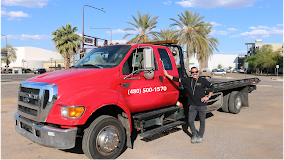
Consider professional help when you suspect a charging-system fault, electrical draw, or a battery that won’t respond to standard jump procedures. A towing and roadside service can provide battery services that include on-scene assessment, safe jump starting, and guidance on next steps. Gizzo’s Global Towing Services offers fast roadside assistance with professional battery services across Arizona, including 24/7 help in Chandler and nearby areas. Their team can help you get moving while reducing guesswork and avoiding costly misdiagnoses.
Conclusion
Using a checklist approach helps you stay calm, safe, and accurate when your vehicle won’t start. By focusing on safety first, confirming symptoms, inspecting connections, and choosing the right remedy, you can avoid common mistakes that make the problem worse. Even when you decide to wait for a professional, a clear set of checks can help you explain what you observed and speed up service. For reliable assistance when power fails, Gizzo’s Global Towing Services is built for roadside emergencies across Arizona. Their experienced team supports towing and roadside help 24/7, including jump starts and battery-related roadside support. If you’re stuck and need help fast, use the checklist above to prepare, then contact a service that can handle the situation professionally from start to finish.