How to Use Expert Recommendations for Better Bets
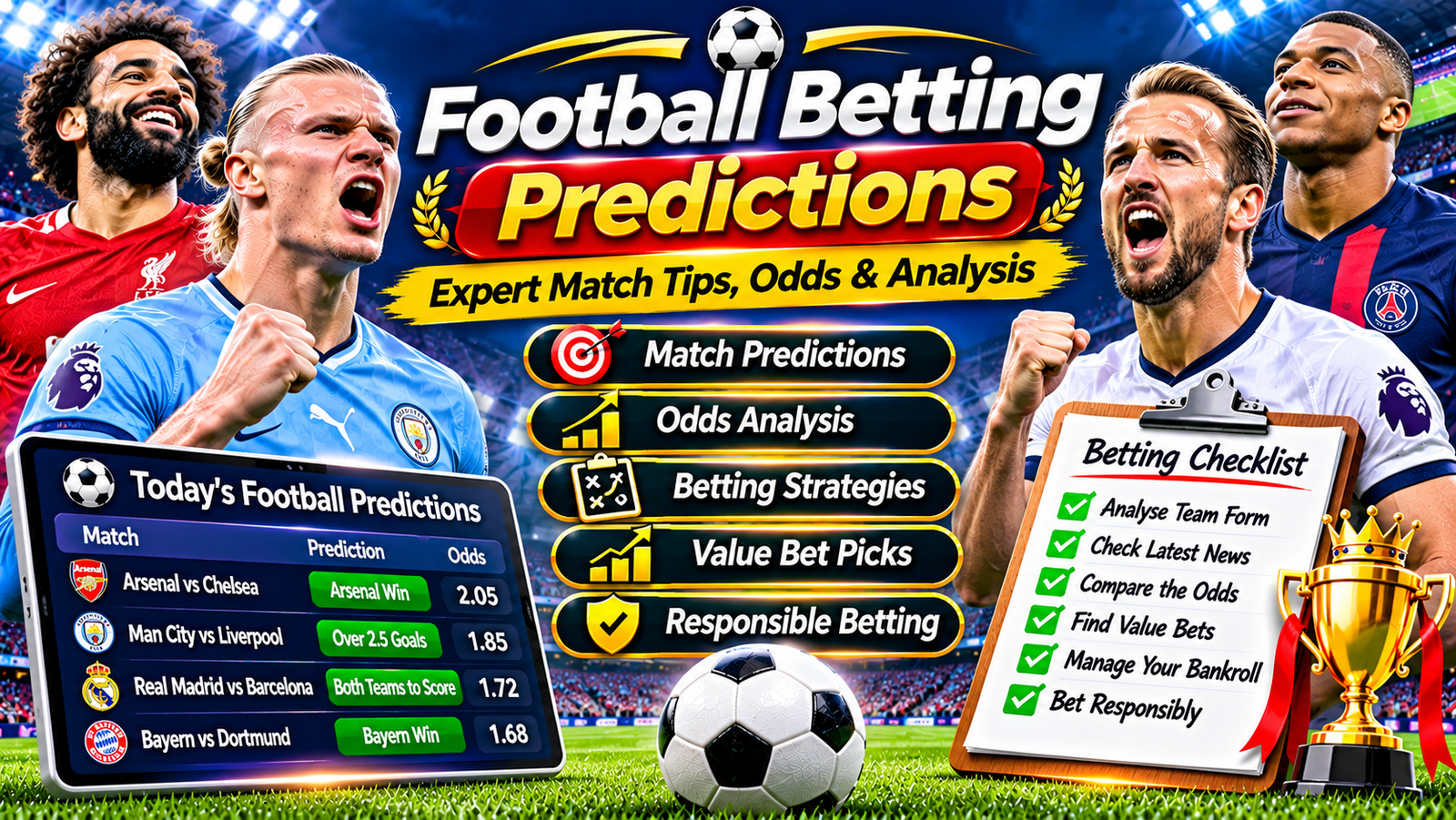
Expert recommendations work best when they’re treated as a decision framework rather than a guaranteed outcome. Start by mapping what the market is pricing in, then compare it to what the match context suggests. A solid tip usually includes a reason—tactical matchup, Football Betting Predictions player availability, or a measurable trend—so you can judge whether the recommendation fits your risk level. When you place bets, avoid copying picks blindly and instead verify whether the logic aligns with team motivation and style.
To make the advice actionable, break the match into a few repeatable categories. Check the quality of chance creation, defensive stability, and how each team performs under pressure. If one side struggles to prevent high-quality shots or concedes transitions, that detail often points toward goal markets or team totals. Responsible bettors also set limits before entering: decide the stake size, the maximum number of wagers, and what would invalidate your thesis.
Match Preview Breakdown: Form, Tactics, and Matchups
A strong match preview examines how teams actually try to score, not just their recent results. Look at whether the favorite dominates territory but struggles in the final third, or whether the underdog creates more threat through direct play. Pay attention to midfield structure and pressing triggers, because those elements shape the number and quality of chances. When the tactical plan forces one team backward, it often increases the probability of shots in dangerous zones and can influence both sides’ goal likelihood.
Team form should be read through context, including opponent strength and game state patterns. A team that wins while generating fewer clear chances may be more vulnerable if the opponent raises intensity early. Conversely, a team that repeatedly produces good chances but converts poorly might be a candidate for markets that reward shot volume. Use lineup expectations to refine the picture: a missing playmaker can reduce chance creation, while a defensive injury can widen the margin for goals.
Odds and Market Signals: Finding Value Without Chasing
Betting odds reflect collective information, but they also reflect uncertainty and bias. When the price moves, identify why it moved: injury news, tactical changes, public money flow, or weather and travel factors. Value doesn’t always mean the biggest underdog; it often means the odds imply a probability that doesn’t match the match dynamics. Experts typically compare implied probabilities to a grounded estimate based on form, matchup, and chance quality.
Different markets react differently to information, which is why smart bettors cross-check. For example, if the money leans heavily toward a single outcome but goal expectancy is more balanced, consider alternatives like totals, both teams to score, or Asian handicaps. If the favorite is priced as a comfortable win while recent games show narrow margins, you may get better returns with markets that protect you from a draw. Always avoid betting solely because odds look “better”—confirm the scenario behind the number.
Goal Markets and Betting Angles That Fit Real Match Patterns
Goal markets are popular because they map closer to what happens on the pitch: chance creation, conversion, and defensive risk. If one team consistently concedes high-danger chances after losing the ball, a higher total becomes more reasonable. If both teams rely on transitions but struggle to break down compact blocks, a lower-scoring script can be plausible. The key is aligning your goal-market selection with the match’s likely tempo and the way each team defends space.
For precise angles, consider how teams perform in specific phases such as early exchanges and late-game intensity. Some sides start aggressive and score quickly, which can tilt totals toward the higher end, while others need time to settle and often concede first only after adopting caution. Also review discipline: frequent fouls and loose defending near the box can inflate set-piece and penalty risk. Experts often prefer markets that match the story they’ve identified—like team totals when one side’s attack is clearly stronger, or both teams to score when the underdog’s chance profile is credible.
Conclusion
Treat expert recommendations as a guide to sharpen your thinking, not as a guarantee. When you understand why a bet is being suggested—rather than only what it suggests—you’re more likely to choose wisely and avoid emotional decisions. To stay responsible, stake within your limits and remember that variance is part of football. Use your recommended picks as a shortlist, compare alternatives across goal and handicap markets, and pass on bets that don’t match your confidence level. With careful analysis and disciplined bankroll management, you can turn match previews into a repeatable process that supports long-term improvement.